
Spot the quiet distortions
See where bias enters the picture long before a decision is final.
From noticing bias to changing practice
Audit the stories
We explore how your organisation currently frames long‑term plans, which images and metaphors dominate, and where that framing nudges people toward overly narrow futures.
Design contrasts
We help you design contrasting scenarios that are believable yet distinct enough to surface trade‑offs, so teams can compare paths without falling into all‑or‑nothing thinking.

Embed new habits
We co‑create simple prompts and rituals that keep these richer futures alive in everyday decisions, rather than only at annual offsites.

If you suspect your decisions are being steered by a handful of unexamined stories about the future, we can help you surface them, test alternatives, and build gentler guardrails against predictable distortions.
Bias work at Xiolkoraiflanriat
Bias is not just a label on a chart; it is the director quietly editing the film of the future playing in someone’s mind.
How we unpack biases in future thinking
-
Elastic sense of time in decisions: We look at how people compress or stretch time when imagining outcomes, and why the same person can feel impatient in one Xiolkoraiflanriat yet surprisingly patient in another.
-
Loss aversion in imagined futures: We analyse how loss aversion changes which futures people are even willing to consider, sometimes keeping them stuck in unsatisfying but familiar patterns.
-
Group dynamics and shared futures: We explore how group discussions, slides, and dashboards shape which scenarios get airtime, and how dissenting futures are often edited out early.
-
Making biases visible in practice: We co‑create prompts, checklists, and visual aids that help teams notice when a single bias is dominating the conversation, and gently widen the lens.
-
Channel effects on future thinking: We review how different communication channels, from chat threads to long memos, encourage different types of mental simulation and therefore different decisions.
What we aim to uncover
Our aim in this line of work is to make biases concrete without shaming anyone for having them. We start by identifying which mental shortcuts show up most often in your context, from present bias to overconfidence. Next, we trace how these biases alter the future scenarios people consider, sometimes shrinking the range of possibilities to a narrow corridor. A third objective is to show how organisational habits, such as how meetings are run or which metrics are highlighted, can amplify specific biases. Finally, we help you experiment with subtle changes in framing, sequence, and prompts that widen the space of imagined futures without overwhelming people. Throughout, we emphasise that results may vary and that no single intervention removes bias; the goal is to make its effects more visible and manageable.
Our stance on bias and realism
Rather than treating bias as a checklist of errors, we connect it to the specific futures people can see. This makes conversations less abstract and more actionable, while keeping a realistic view that no framework removes uncertainty or guarantees particular outcomes.

How biases quietly reshape the futures people see and the decisions they make over time
We often hear that people are irrational because they do not follow tidy models. Our view is more forgiving: they are rational relative to the futures they can currently imagine. Change those mental simulations, and behaviour shifts without forcing anyone to memorise new rules.
Biases inside mental simulations
Instead of treating biases as abstract flaws, we trace how they alter the imagined futures that quietly guide long‑horizon choices.
Many discussions about bias stop at naming the label. We go further and examine how each bias quietly rewrites the movie people play in their heads about tomorrow. By focusing on future scenario mental simulation, we can show where biases enter, how they distort timelines, and what that means for planning and saving decisions.
Present‑biased timelines
We explore how people give extra weight to the near term and quietly discount distant consequences when imagining outcomes.
Status‑quo scenarios
We examine why familiar futures feel safer, even when evidence suggests more balanced paths would serve people better.
Recency‑coloured futures
We look at how people overreact to recent events when they picture what could happen next, reshaping decisions overnight.
Socially shaped futures
We map how social comparisons change the futures people see as acceptable, realistic, or desirable for themselves.
How we work with bias in your future‑focused decisions
Structured dialogues revealing hidden futures
We use structured conversations to surface the futures your stakeholders see as realistic, desirable, or off‑limits, then connect these perceptions to well‑studied biases from behavioural economics.
Mapping bias into existing routines
We map how organisational routines, such as reporting cycles or approval processes, unintentionally reward certain biases and make others invisible.
Expanding futures without paralysis
We work with you to introduce light‑touch prompts and scenario contrasts that expand the range of futures considered without slowing decisions to a halt.
Evidence‑backed internal narratives
We create concise summaries that connect your specific context to current research, supporting internal stakeholders who need a clear rationale for any proposed changes.
Bias‑focused moments from our work
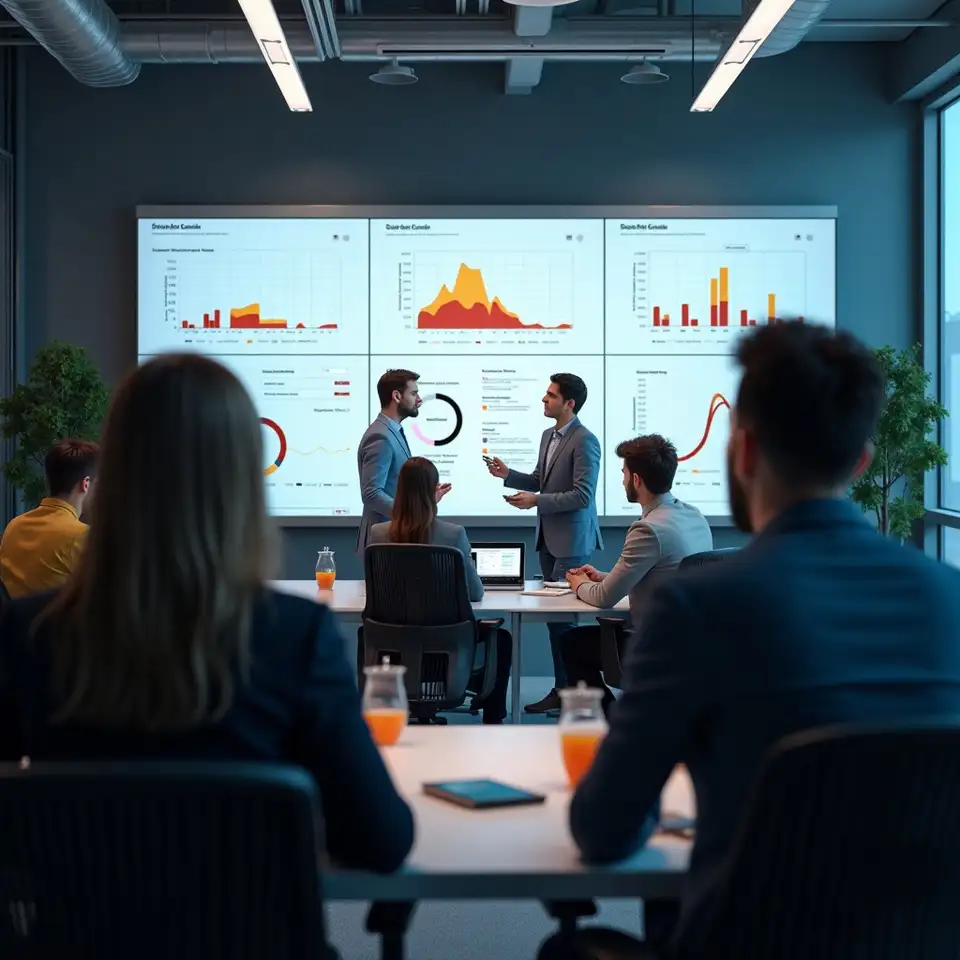
Bias heatmap review

Bias mapping session

Scenario comparison tools

Personal reflection on bias

Debating future timelines
A group gathers around a timeline sketch, debating which events feel likely and how that shapes their confidence in different paths.