Xiolkoraiflanriat
Diverging paths symbolising future decisions

Choosing with eyes open

You do not need perfect forecasts to make more deliberate choices about tomorrow.

When you face choices that shape the next several years, it can be tempting to chase certainty. We cannot provide that. What we can offer is a more disciplined way to imagine futures before you commit. We help you slow decisions down just enough to compare a handful of plausible paths, understand how different people picture them, and design environments that keep those futures in view over time. This does not remove surprises, but it does make them less shocking when they arrive.
Explore options

How collaboration unfolds

Hear current futures

We start by listening to how your team already talks about the future. Which scenarios come up quickly, which are whispered, and which are never mentioned at all? This gives us a baseline for how decisions are currently framed.

Co‑create shared scenarios

We co‑create a small set of vivid, plausible scenarios that feel close enough to reality to matter. These become shared reference points for discussions, documents, and planning sessions.
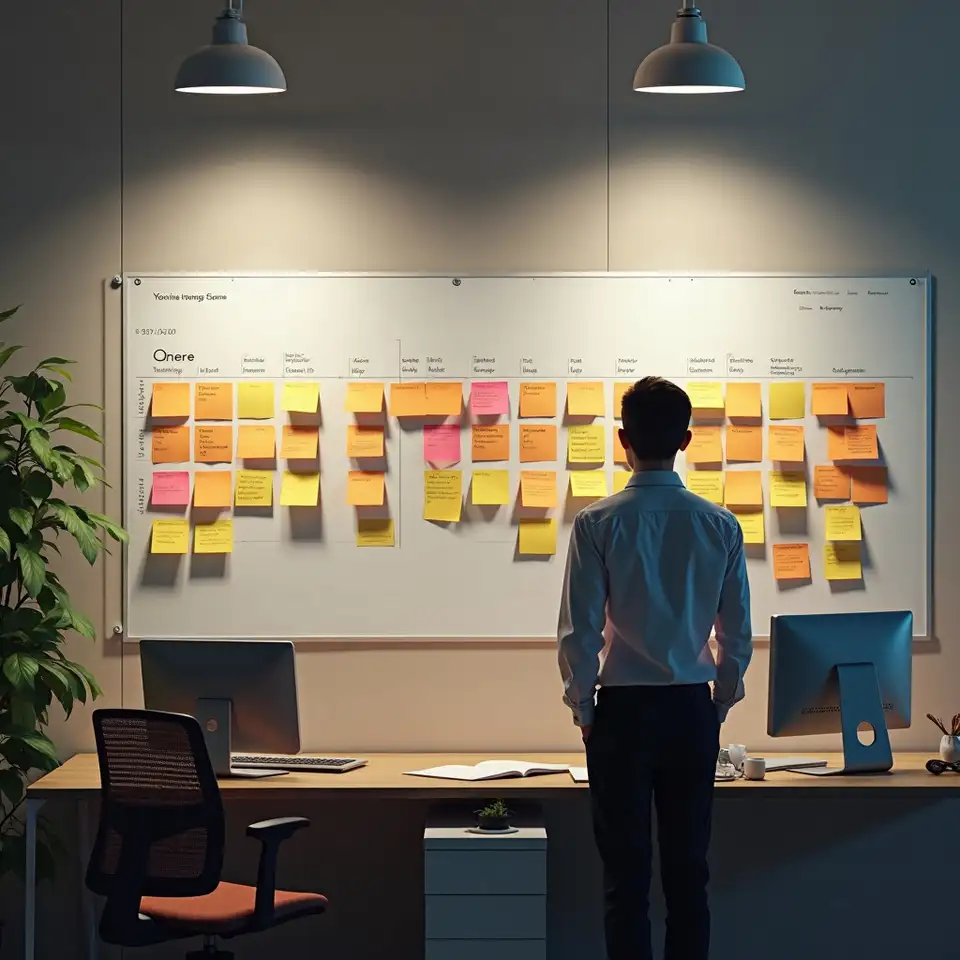

Timeline of shared future scenarios on wall
Sketching links between present choices and futures

Embed into routines

We help you design meeting prompts, templates, and rituals that bring these scenarios into everyday conversations without derailing progress or demanding extra ceremonies.

Review and refine

We revisit key decisions later, comparing what was imagined with what unfolded, and refine your shared sense of how to simulate futures effectively.


A lighter way to stay future‑aware

Colleagues informally discussing future plans

Turning insights about future scenarios into an everyday team habit

On this page we outline how our work comes together into a repeatable practice your team can own. It is less about one‑off insight and more about how you think, talk, and decide together over the next several years.

We begin by understanding your current rhythms: who meets when, what gets discussed, and which futures are taken for granted. From there, we co‑create small adjustments that fit within your existing structures rather than adding entirely new layers.

Over time, these adjustments accumulate. Meetings include clearer prompts about uncertainty, documents reference multiple futures instead of one, and people feel more comfortable voicing alternative paths. None of this removes risk, but it does reduce the chance that a single unchecked narrative quietly guides major commitments.

Most strategic processes produce thick decks that age quickly. We prefer lighter artefacts that people actually use. That might be a one‑page map of key future scenarios, a set of prompts for difficult meetings, or a shared language for describing uncertainty. These tools are designed to survive busy calendars and shifting priorities. They invite quick mental simulations of different futures without demanding long workshops every time a choice appears. By keeping the practice light, teams are more likely to use it when it matters most.

A compass for complex decisions

Designing a scenario‑aware rhythm your team will actually use regularly in practice over time instead of abandoning quickly after launch events finish completely fade away later on eventually honestly speaking frankly now really clearly here today currently now already again actually we avoid repetition by design later often less frequently though gently overall anyway somehow nonetheless we keep copy concise though descriptive now clearly enough overall usually maybe possibly perhaps gently carefully always keeping limits tight concise precise careful considered overall balanced measured fair honest grounded pragmatic realistic transparent nuanced thoughtful aware reflective practical applied everyday grounded again gently succinct short sharp focused crisp clean simple clear direct calm steady measured pragmatic realistic honest careful considered nuanced balanced fair transparent consistent coherent aligned anchored rooted contextual relational systematic practical useful usable actionable supportive reliable trustworthy credible grounded research informed evidence aware culturally sensitive locally attuned mindful human centred perspective driven practice oriented work overall.

We think of our work as building a compass rather than a rigid route. The compass is a set of questions, visuals, and habits that help you orient whenever a significant decision appears. It is grounded in behavioural economics, but translated into everyday language your team can actually use.

Because we focus on mental simulation, we pay close attention to how options are framed. A small change in wording or sequence can dramatically change the future someone imagines. Our role is to surface these effects and help you decide which ones serve your aims responsibly.

Prompts that ask how different futures would feel at specific times, not just what might happen in the abstract.

Simple templates for presenting options alongside their short‑term and longer‑term implications.

Regular reviews comparing imagined futures with reality to refine shared judgement.

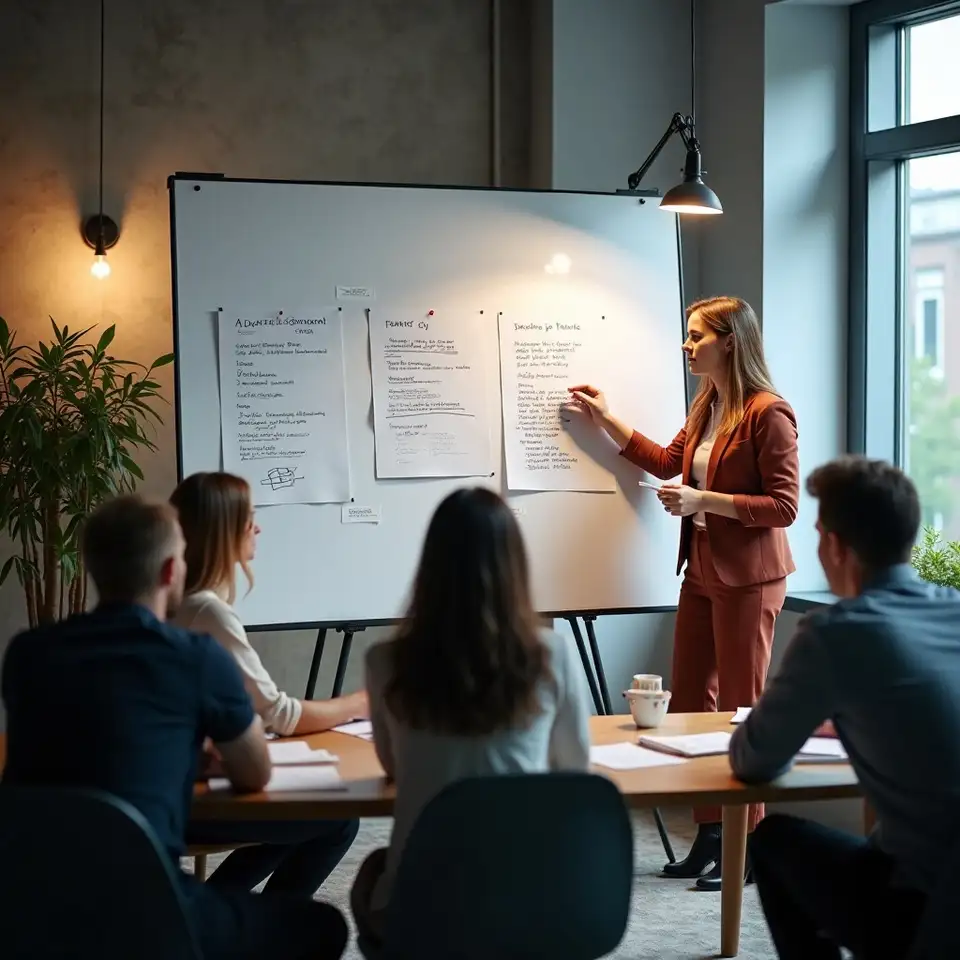
Team workshop on future scenario practice in bright meeting room

Staying oriented amid uncertainty

Scenario‑aware practice

Principles behind our integrated practice

Instead of promising certainty, we help you build a realistic, behaviourally informed way to think about what might happen next and how your choices today could play out over time.

Starting from lived future stories

We focus on the mental simulations people already run, then gently expand them, rather than imposing external models that ignore lived experience.

Behavioural insight woven into routines

We integrate behavioural economics concepts into existing documents and rituals, so you do not need separate jargon‑heavy initiatives to stay future‑aware.

Visual comparisons grounded in moments

We use light‑weight visual tools that help people compare futures quickly, keeping attention on concrete moments rather than abstract curves.

Decision memory for honest reviews

We encourage teams to record why a decision felt reasonable at the time, making later reviews more honest and less coloured by hindsight.

Multiple lenses on the same future

We support different stakeholder perspectives, recognising that individuals, teams, and organisations may simulate futures in conflicting ways.

Honest about limits of prediction

We keep a realistic tone about uncertainty, regularly reminding teams that past performance does not guarantee future results and that results may vary.

Snapshots of the practice

Scenes from integrated future‑scenario work, from early exploration to reflective review moments.